
Bakhoor vs incense sticks: what is the difference
Bakhoor vs incense sticks: how they are made, how they smell, how each is used at home and what safety steps to take with burners and open flames.
Julien Marchand4 min read
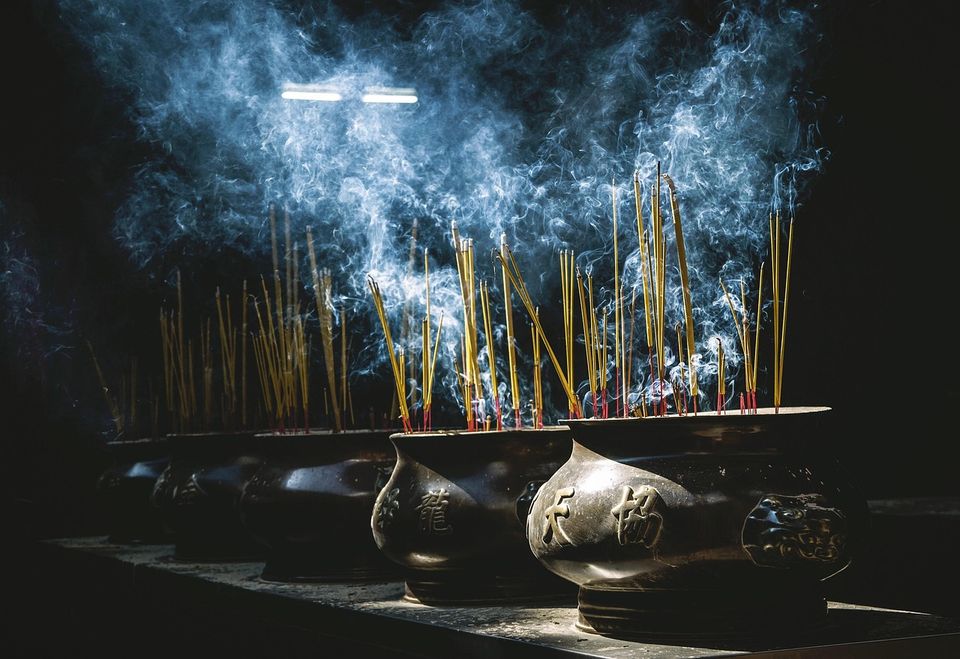
Verdict: Pick bakhoor if you want a deep, layered smoke that you can control by heat and amount. Pick incense sticks if you want something simple that you light and leave. Both need care, because both involve heat or flame.
Which wins on
| Factor | Bakhoor | Incense sticks |
|---|---|---|
| Form | Wood chips or scented paste | Thin sticks |
| How to burn | Charcoal or electric burner | Light the tip, it smoulders |
| Smell | Layered, often oud-based | Often single-note |
| Control | You choose how much | Fixed by the stick |
| Setup | Burner, tongs, tray | Holder and ash catcher |
| Risk | Hot charcoal, burner, smoke | Open ember, ash |
Pick bakhoor if
- You want an oud-style smoke in a living room or on clothes.
- You are happy to use a burner and a heat-safe tray.
- You like to change the amount to match the room.
Pick incense sticks if
- You want a quick, easy ritual.
- You do not want to handle charcoal.
- The room is small and you want a mild scent.
Smoke and air
Both make smoke. Smoke can bother people with breathing problems, pets and small children. Open a window and keep burn time short. If anyone in the home has asthma or another condition, ask a doctor before you burn either one.
A worked example
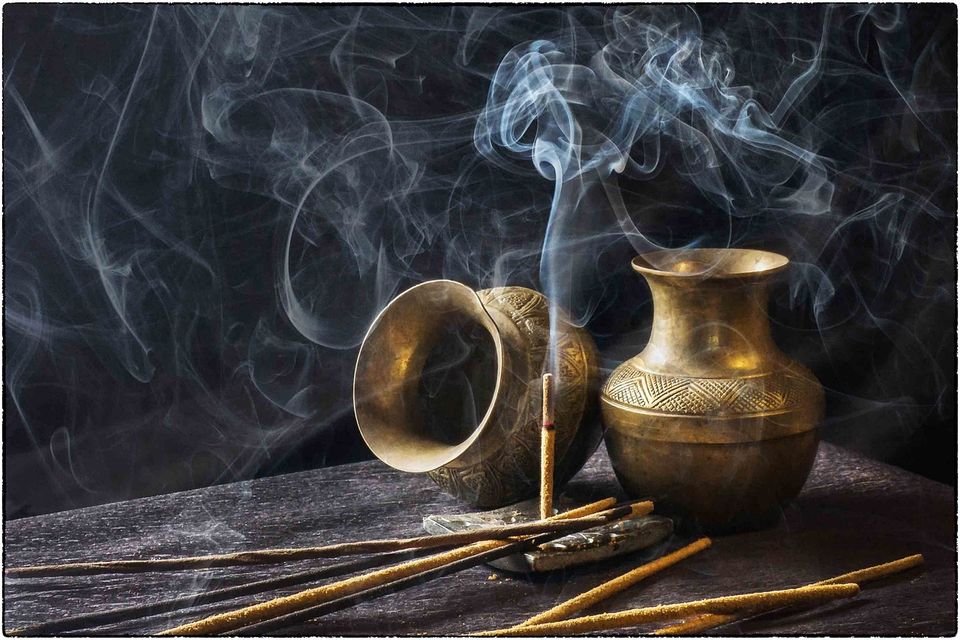
You want to scent a living room for an evening. With bakhoor on an electric burner, start with two small chips and see how it feels after ten minutes. With a stick, light one and place it in a holder away from curtains. Round numbers, as a start.
Never leave any burning incense alone, and never burn it near fabric, paper or a child.
A caution
Use a heat-safe tray, a stable surface and a snuffer or tongs. Let charcoal and ash cool fully before you clear them. Keep a lid or cup of water nearby, as the maker advises. For safe steps in full, read how to burn bakhoor safely at home.
Cost and effort
Bakhoor needs a burner, a tray and often tongs or a heat source. Sticks need a holder and a safe spot. Sticks cost less to start, bakhoor offers more variety. Neither is cheap in time, because both need you to stay close and watch.
Smell on fabric
Smoke clings to curtains, cushions and clothes. Bakhoor tends to leave a long trail. Sticks leave a lighter one. If you are a guest in someone's home, ask before you burn either.
Try it slowly
- Start with the smallest amount, in a room with the window open.
- Burn for ten minutes and see how the room feels.
- Put it out as the maker advises.
- Wait a day before you decide to burn more.
Storage
Keep chips and sticks in a closed tin or jar, away from damp and sun. Keep them, and all lighters and matches, out of reach of children and pets. Old chips may lose their smell, so buy small amounts.
Quick questions
Is bakhoor stronger than incense?
Often it fills a room faster, but it depends on the amount and the product.
Can I use bakhoor without charcoal?
Yes, with an electric burner made for it. Follow the maker's steps.
Can I put either one in my bedroom?
Many people prefer not to, because smoke lingers and fire safety matters most at night. Do not leave any flame or ember while you sleep.
Is the smell the same as oud perfume?
Not exactly. The smoke is a different thing from a perfume on skin. See what does oud smell like.
More to read
Keep reading
Can you wear oud in hot weather
Can you wear oud in hot weather? Yes, with less product and smart placement. A short guide for summer heat, humidity and long days outdoors.
Layla Mansouri2 min read
Can women wear oud perfume
Can women wear oud perfume? Yes, scent has no gender. A short answer on which oud styles are softer, how much to use and how to try one.
Layla Mansouri2 min read
Natural vs synthetic oud: what changes in the scent
Natural vs synthetic oud compared by smell, cost, wear and how to choose. A plain look at what each tends to be like and which suits a first bottle.
Layla Mansouri4 min read
How to burn bakhoor safely at home
How to burn bakhoor safely with a proper burner: charcoal, placement, how much to use, how long to burn and what to do about smoke and children.
Layla Mansouri5 min read
What does oud smell like: a plain description
What does oud smell like? Deep, woody and smoky, sometimes leathery or sweet. Learn how it opens, what it becomes on skin and how to try it gently.
Layla Mansouri5 min read
How to wear oud without overpowering a room
Oud is dense and carries far. Here is how much to use, where to put it, and how to read a room so the scent stays a pleasure for everyone near you.
Layla Mansouri5 min read